
Louisville homeowners considering an HVAC upgrade must decide whether to stick with traditional heating and cooling systems or invest in geothermal technology.
Geothermal heat pumps come with higher upfront costs but offer significant long-term savings, environmental benefits, and substantial tax incentives. These perks make GHPs increasingly attractive for sustainable home solutions.
Understanding Geothermal HVAC Systems
Geothermal heating and cooling systems tap into the earth's natural consistent underground temperature.
In Louisville, where air temperatures can fluctuate from single digits in winter to over 90°F in summer, the ground just four to six feet below the surface maintains a steady 40–70°F throughout the year.
That stability translates to energy efficiency. Rather than fighting extreme outdoor temperatures like traditional HVAC systems, geothermal heat pumps transfer heat between a home and stable underground environment.
During summer excess heat from a home moves into the cooler earth.
In winter the system extracts warmth from the ground and brings it indoors.
The kinds of ground-loop systems for geothermal pumps are horizontal, vertical, and open-loop.
Traditional HVAC Systems
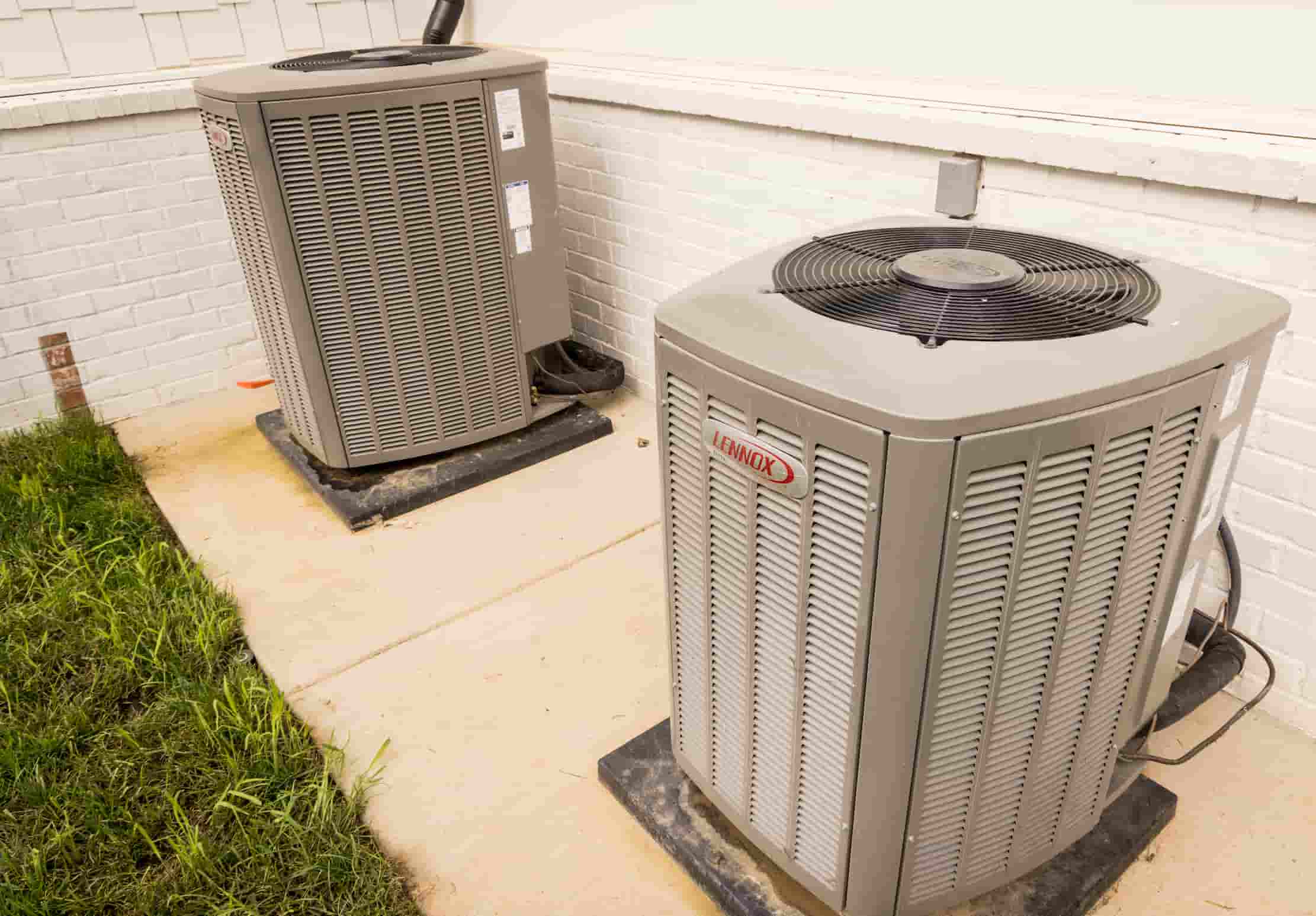
Traditional HVAC systems include gas furnaces paired with central air-conditioning units or air-source heat pumps.
These systems have dominated the Louisville market for decades because of lower installation costs and widespread availability. Since most HVAC contractors are familiar with these systems, installation is straightforward and repairs are relatively simple.
Yet traditional systems work harder during temperature extremes. When Louisville's scorching summer days and freezing winter nights force conventional air conditioners and furnaces to compensate for the gap between outdoor and desired indoor temperatures. That consumes more energy and drives up utility bills.
Cost Comparison: Initial Investment vs. Long-Term Savings
Tax Incentives and Rebates Make Geothermal More Affordable
In the United States, cost-effective tax incentives for ground-source heat pumps can lead to cost savings.
If it is "new, qualified clean energy property", then the 30% applies to expenses such as labor costs along with necessary piping or wiring.
For a geothermal heat pump, it must meet Energy Star requirements that were in effect at the time of purchase.
Important deadline: The cutoff for geothermal-HVAC installations qualifying 30% tax credit expires December 31, 2025. That means that you can still apply for it past that date so long as the systems must be installed and placed in service before this date to qualify. Also, the purchase does not qualify if it was before 2022.
To claim this credit, you'll file IRS Form 5695 with your tax return. The credit is non-refundable, meaning you can't receive more than you owe in federal income taxes, but any unused portion can be carried forward to future tax years.
Louisville's Climate: Perfect for Geothermal
Louisville's climate characteristics make geothermal HVAC systems an attractive investment because the region experiences significant temperature swings between seasons. Since a traditional HVAC is worked hard in these conditions, geothermal systems boast an efficiency advantage over traditional systems.
Kentucky's stable subsurface temperatures and suitable soil conditions throughout the Louisville area allow for various loop configurations. Whether you have a spacious lot suitable for horizontal loops or limited land requiring vertical wells, we can make the installation work for your land.
Major Louisville projects have already recognized geothermal's potential. Louisville Muhammad Ali International Airport installed a $21.7 million geothermal system. the largest of any airport in the country.
Jefferson County Public Schools has implemented the technology in multiple schools.
The Norton Commons development has installed geothermal heat pumps because it is a high-density community where traditional HVAC systems, with all the bulk and noise, would not have fit in well.
System Longevity and Maintenance Requirements
Geothermal systems significantly outlast traditional HVAC equipment.
Geothermal HVAC's indoor components, including the heat pump and controls, can last around 20 years with proper maintenance. The underground loop system can operate for 50 years or more. If you are a homeowner looking to stay long-term in your home, that can be a great pick. Developers and property managers can also see the value in an upfront investment that requires less replacements.
Traditional HVAC systems usually last 15 to 25 years before requiring major repairs or complete replacement. Louisville homeowners may need to replace a conventional furnace and air conditioner two or three times during the lifespan of a single geothermal system.
Maintenance requirements are less for geothermal components because of protection underground and indoors, shielding the system from weather, debris, and environmental wear.
Annual maintenance costs typically range from $150 to $300, lower than traditional system upkeep.
Traditional systems require more-frequent filter changes, seasonal tune-ups for heating and cooling equipment, and repairs to outdoor units exposed to Louisville's varying weather conditions.
Environmental Impact and Sustainability
For environmentally conscious Louisville homeowners, geothermal systems offer a clear path toward reducing carbon footprint. These systems produce zero on-site emissions.
Traditional gas furnaces burn fossil fuels and produce carbon dioxide. High-efficiency conventional systems can't match geothermal's environmental performance.
Overall, switching to geothermal can drastically lower many Louisville homes' carbon footprint.
Comfort and Performance Advantages
Temperature consistency, lower noise, and good dehumidification are some of the benefits that make geothermal systems more comfortable than traditional HVACs.
Exchanging heat with consistent underground temperature rather than fluctuating outdoor air helps the geothermal systems maintain more-even temperatures throughout a Louisville home. This eliminates the hot and cold spots common with traditional systems.
Geothermal heat pumps' excellent humidity control are great during Louisville's humid summers.
Silent underground loops offer peace and quiet compared to the noise of outdoor units.
Is Geothermal Right for Your Louisville Property?
Contact Prudential HVAC today to schedule your geothermal consultation!


